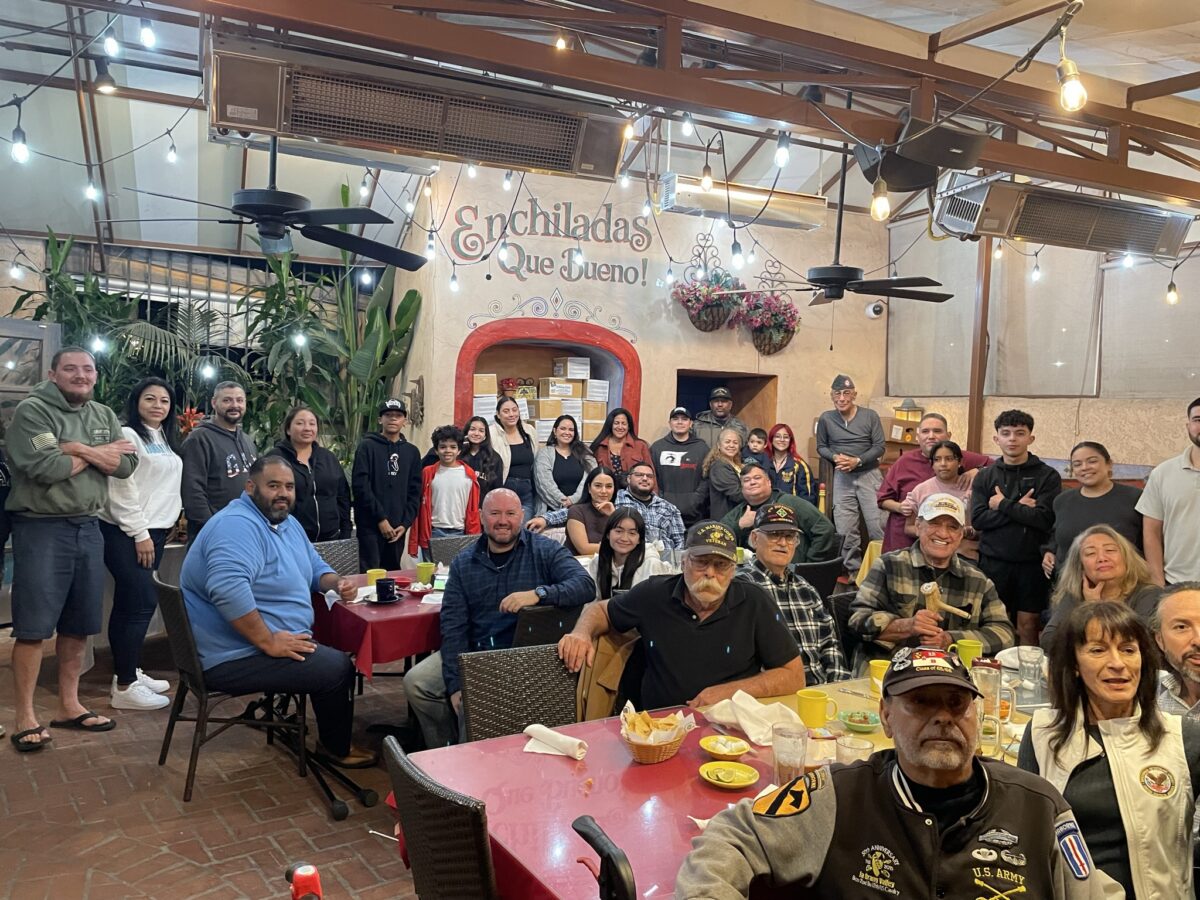
We have reached our 25th year. It’s truly difficult but a pleasure to express our gratitude to those who have supported Wounded Heroes of America all these years. We never planned to be around this long, but here we are, all of us together—you and us. There are no corporate professionals or social workers here; it was just you and us.
Looking back and seeing what makes us different is a good story. Certainly, the odds were against us. We had no real money behind us, no guidance or mentors from within the nonprofit world, and no government help. But we did have a sense of urgency; we didn’t have a lot of time to analyze all the negatives because our veterans were coming home with horrific injuries. It was literally a matter of learning as we went.
We started by helping out financially—a few hundred dollars a month to pay a few bills—but we soon realized that wasn’t enough. Many lessons were learned quickly.
I remember one of our first wounded vets, a young warrior, and a paraplegic- bound to a wheelchair from a sniper’s bullet. I reached out to him, explained who we were, what we do, and that we may help a bit. I explained we could help with a couple of hundred dollars a month – if that would help. His response was “that’s Great, now I can go to the casino and do some gambling!” I was a bit taken aback by that response, but then I realize that was perfect. If that $200 could make this soldier’s day a little better, even for a short while, it was money well spent. And I’m here to tell you, I personally drove and dropped him off at the casino many times. It taught me a very valuable lesson: making their lives better in small ways is actually a big way.
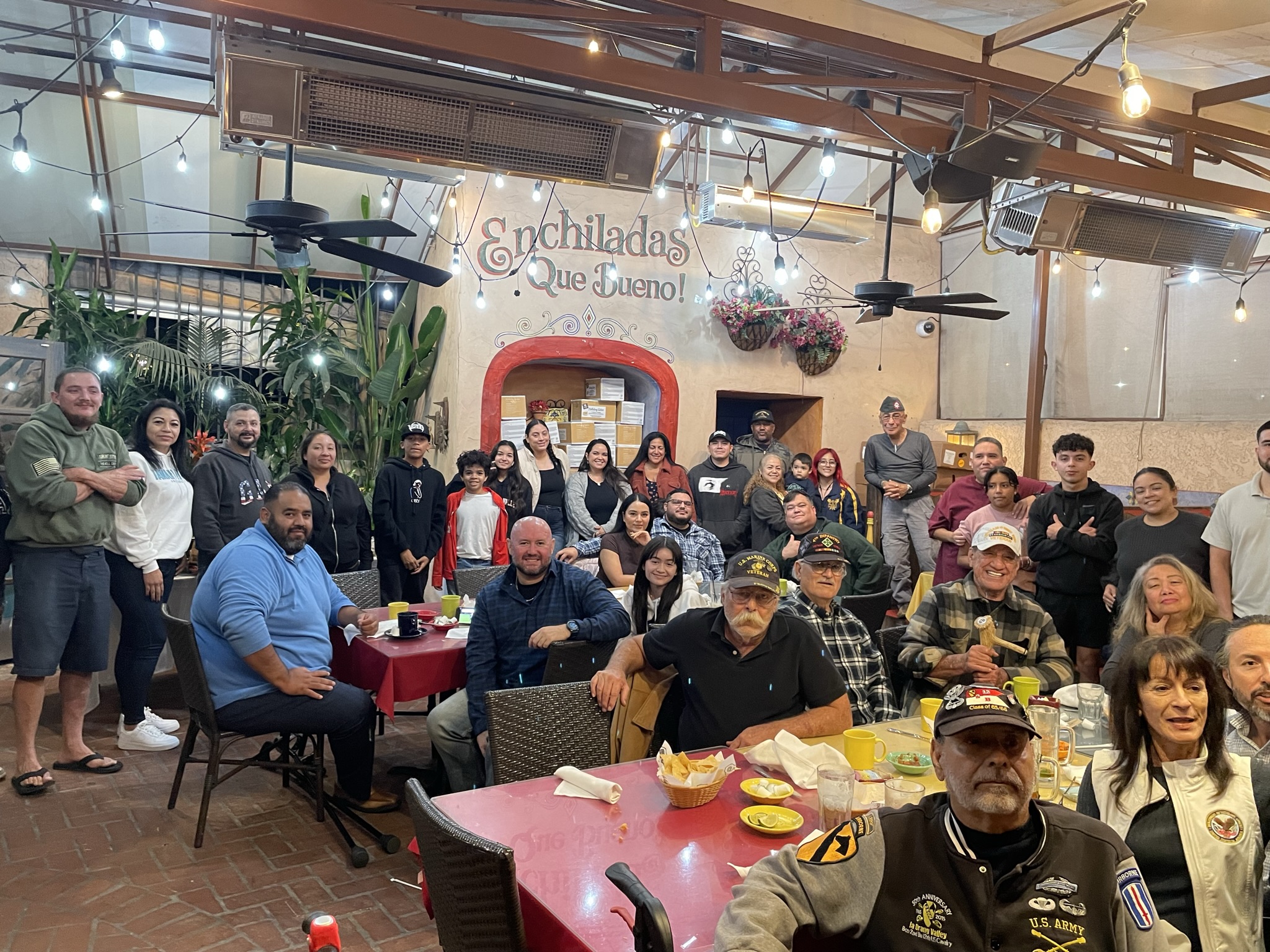
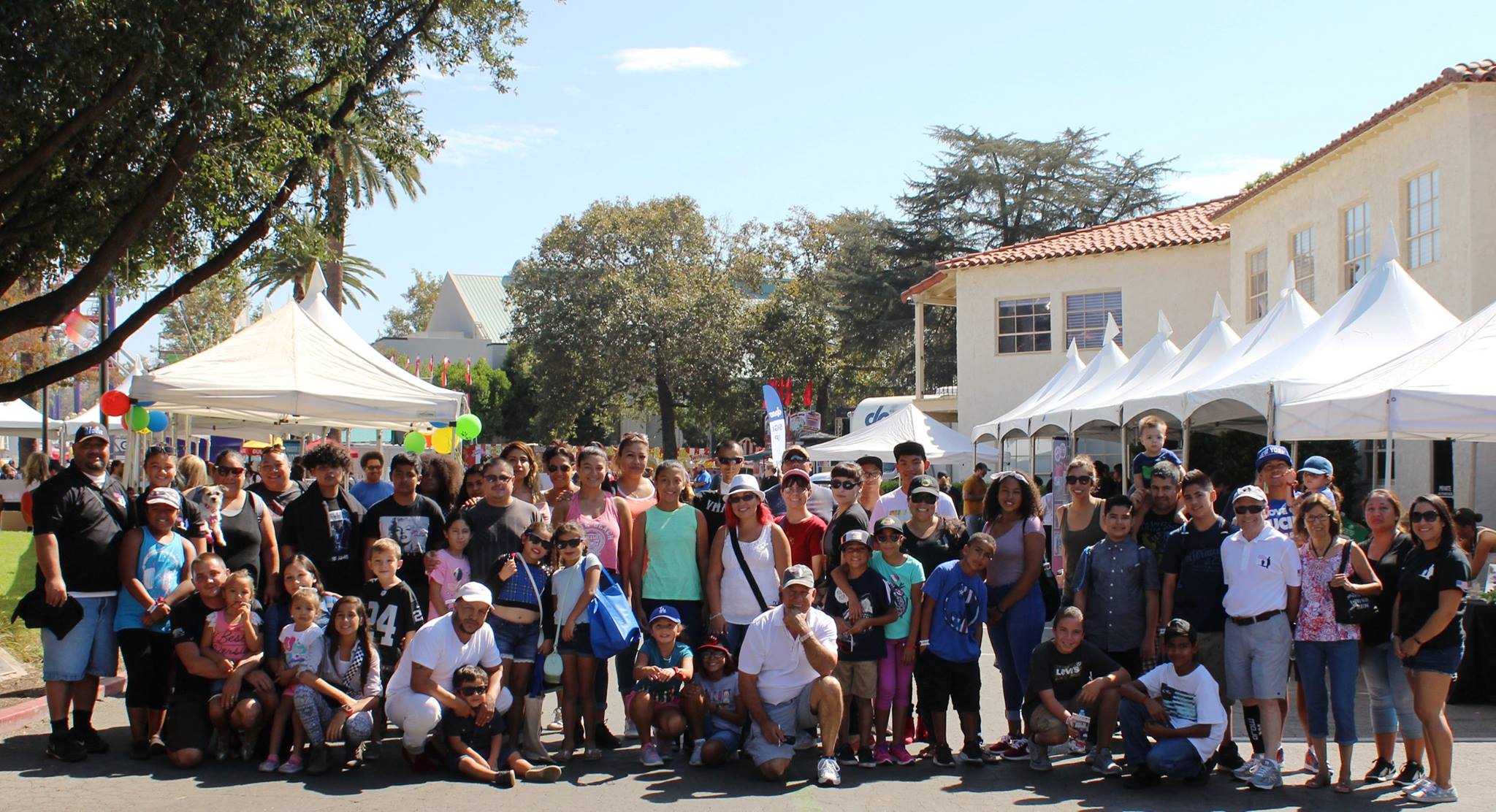
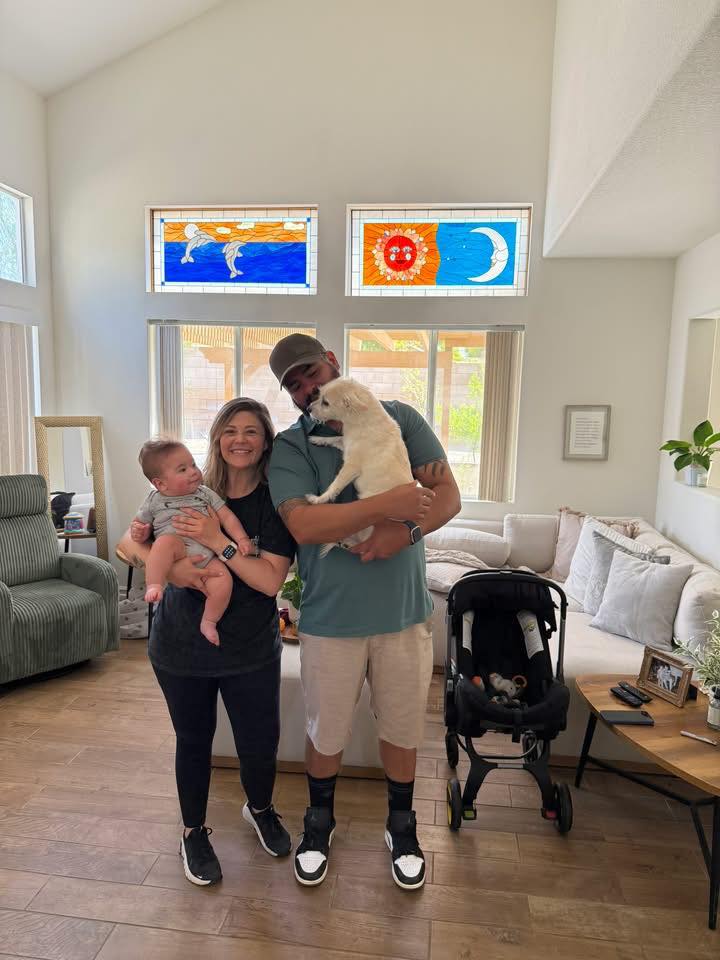
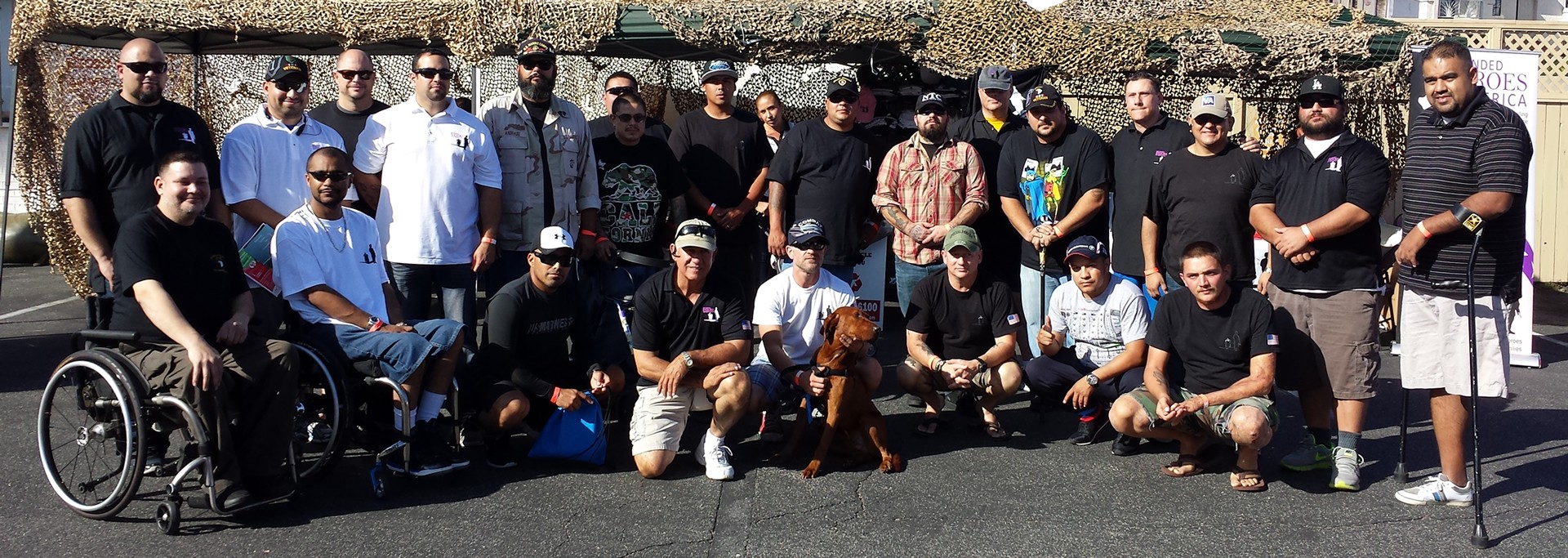
They were so young, so hurt, and in many cases, so alone that we simply started to become their family. I don’t know how else to describe our relationships. We were constantly looking for ways to get together. I began to realize that if these were our own sons and daughters, and we sent them to war and they came back with devastating, life-changing injuries, it was everyone’s responsibility to care for these brave young people—not just the VA. We also learned that if you’re going to operate as a family, you need to include the folks in the community and allow them to meet, help, and get to know the vets, and, in many cases, share their resources.
Early on, we realized there was a desperate need for what we were doing. It was mental health. It was a new camaraderie. The first ones who recognized that our work had merit were the case workers from the VA itself; they became our best recruiters.
We started to do things that no other groups were doing—especially the mega-foundations that are just too large and too national. A community or regional group can help much better in specific areas than those massive organizations, and since Southern California has the largest concentration of veterans, there was plenty of work right here at home.
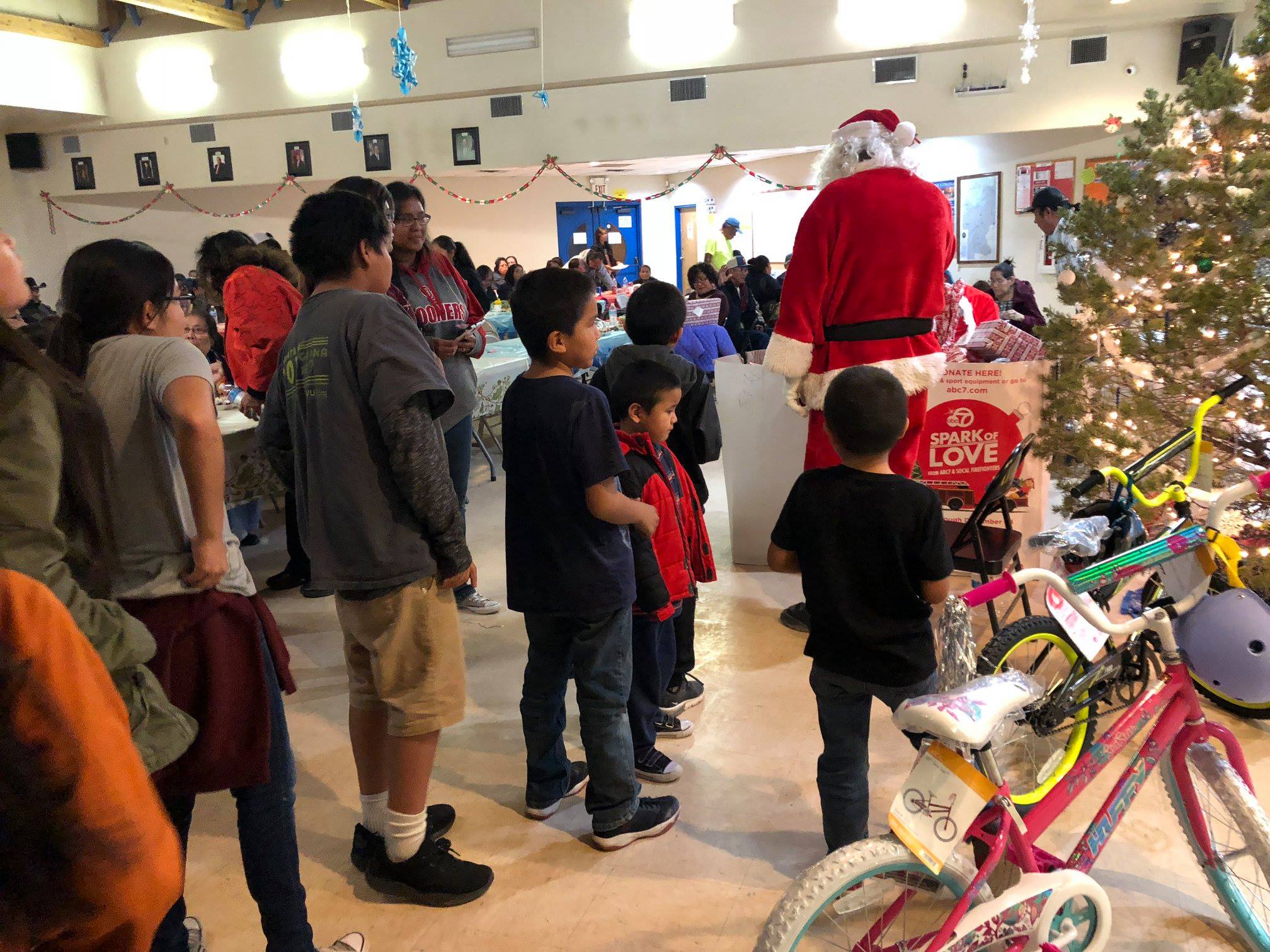
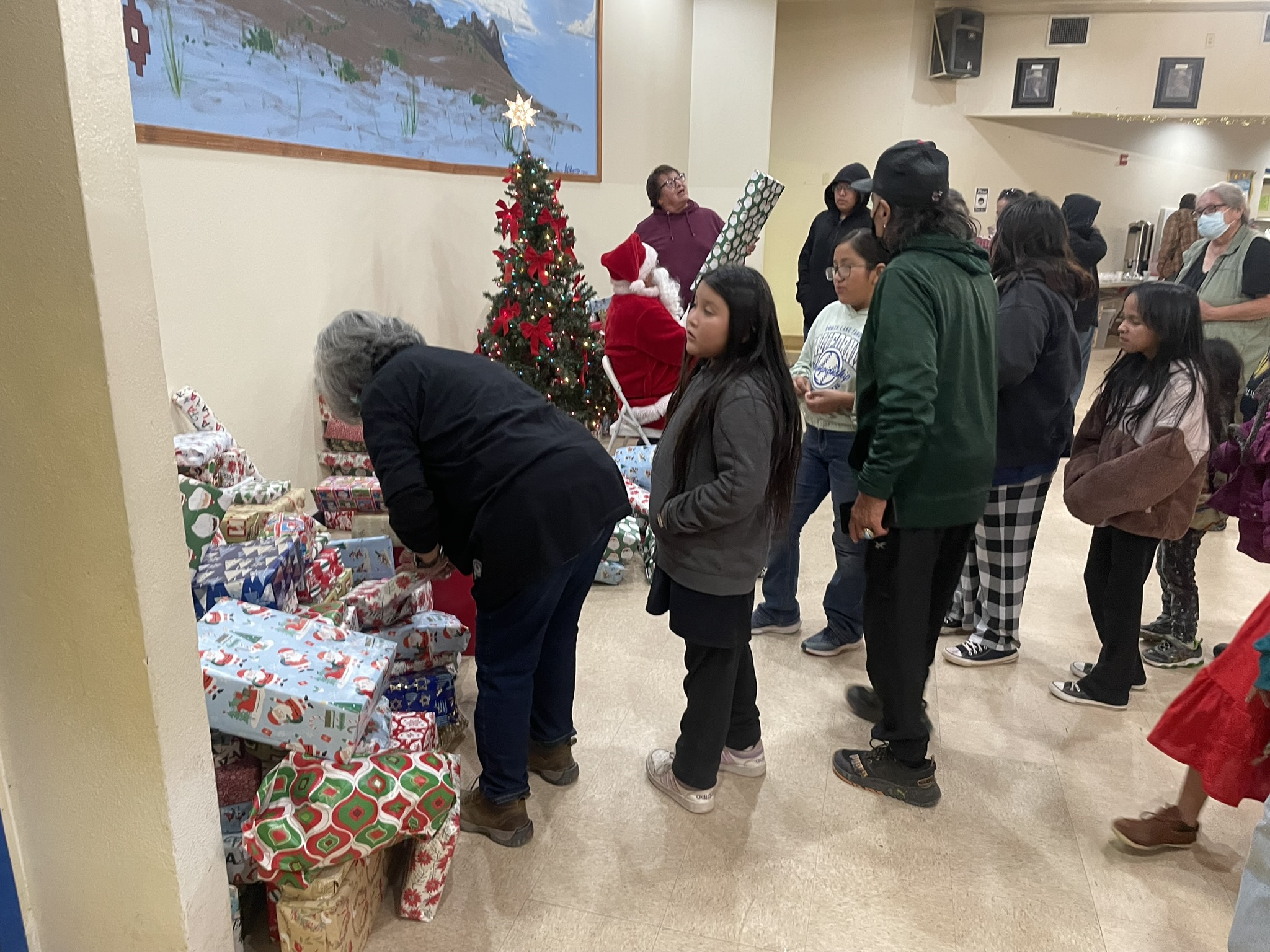
We developed a Christmas program for the kids, delivering toys throughout SoCal. One of our vets would don the Santa suit, and along with a contingent of our own veterans, they would travel and deliver bags of toys to the children all over the Southland. COVID put a halt to that, but for many years, our Santa would travel to an average of 30 Southland cities and visit 40-plus homes and bring Christmas cheers to our kids. Santa also made an annual trip to spend time with our brothers and sisters on the Navajo Reservation.
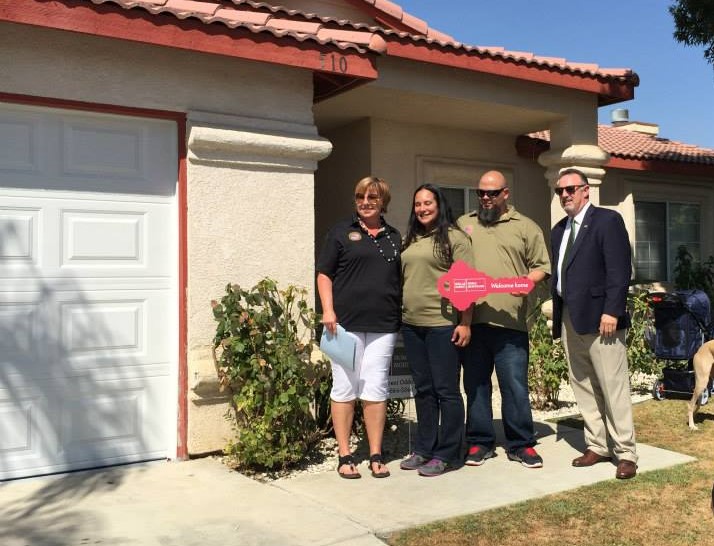
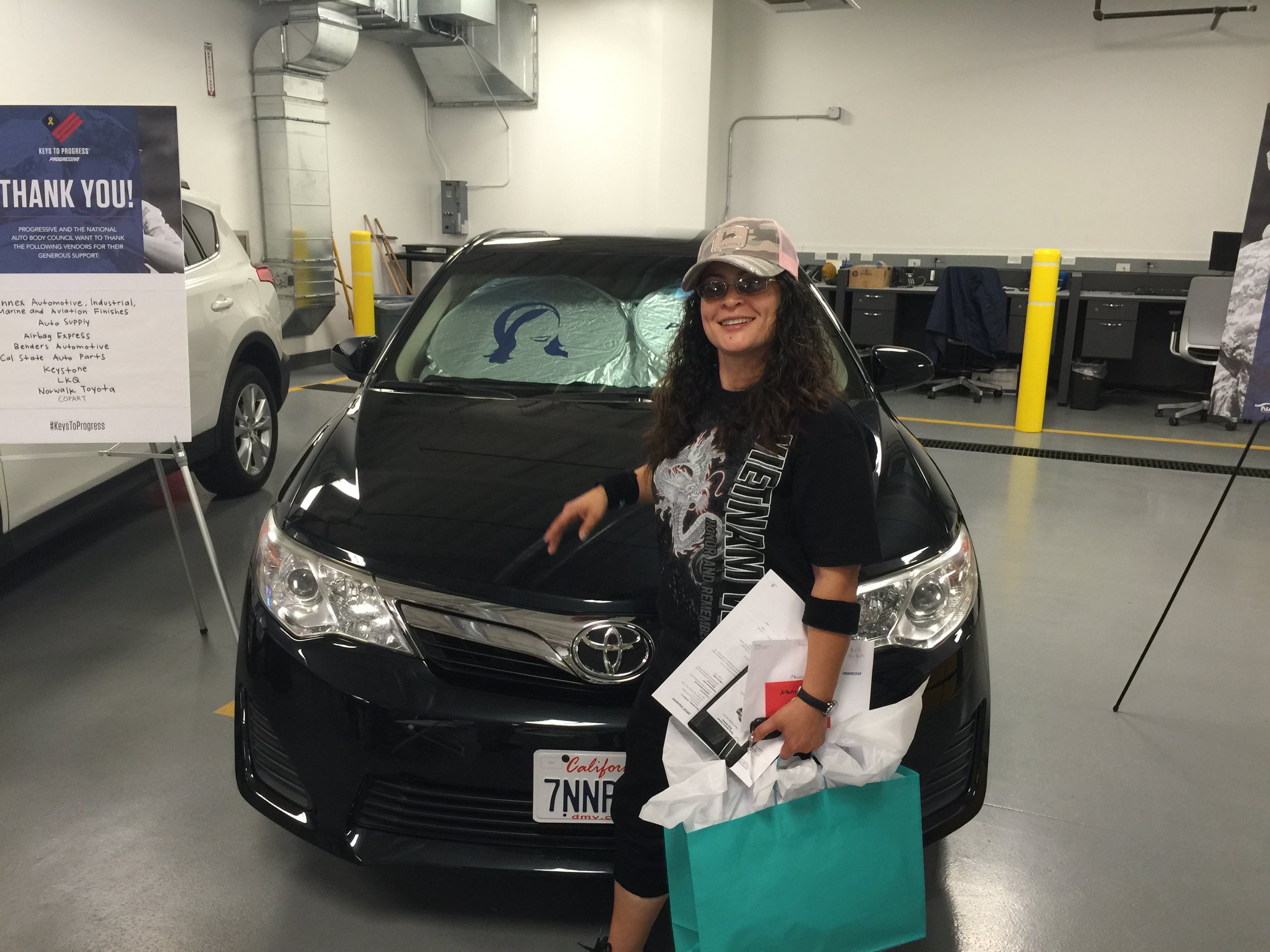
Another lesson along the way- one of the most important things we also did was find and share vital information. When we found out about a foundation donating mortgage-free homes, we encouraged our vets to apply; thirteen of them received mortgage-free homes. When we found out who was giving away new cars to vets, we applied on the vets’ behalf several veterans received new cars –we connected many vets with a foundation providing new furniture. For a time, we sent flowers for Mother’s Day to many of our surviving spouses, caregivers, and veterans – The ladies loved that. We organized baby showers—anything that would mirror a family, we tried it. What I didn’t fully realize at the time was that what we were truly providing was mental health support.
To date, we have helped well over 1000 people, including combat-wounded vets, spouses, and children. We did it all with a little cash and many events throughout the years. Like any other family, time passes. Some move away, and some just don’t need our help any longer, but many stay connected and always come back for our reunions. Our annual golf tournament is a little more than just a golf tournament—it’s a family reunion. They come from all over Southern California, and some even make the 10-hour trip from the Navajo Reservation just to spend time together.
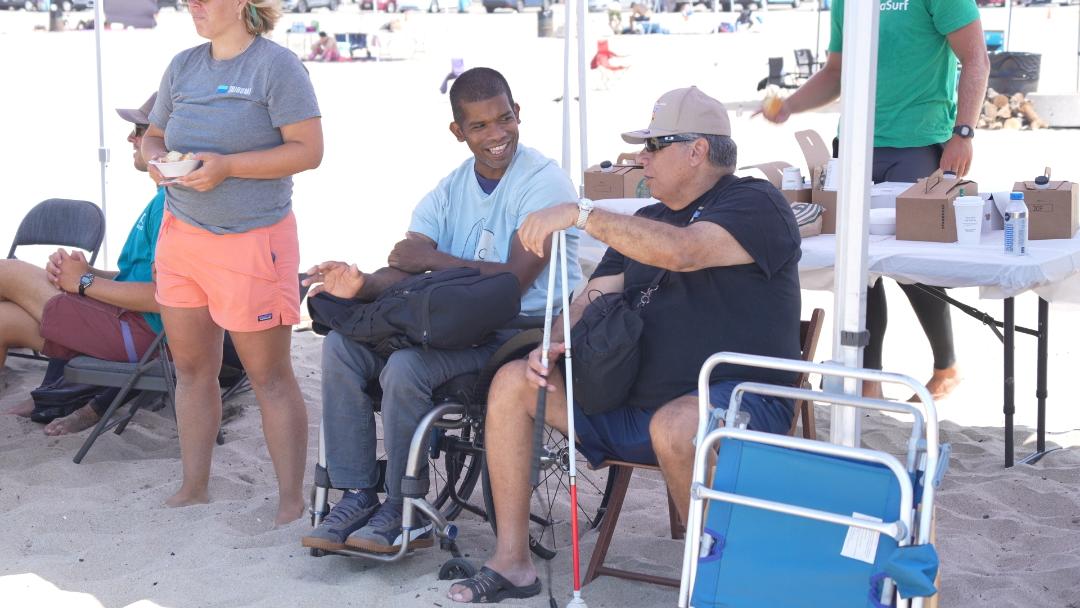
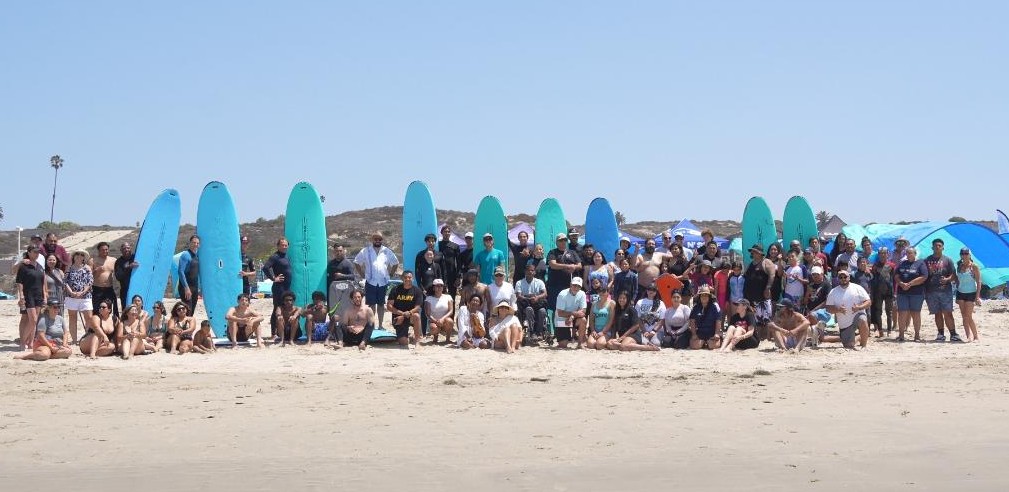
At the end of the day, we have created a family of combat veterans. We have helped them with financial aid, houses, cars, furniture, major gatherings, beach functions, Thanksgiving dinners, and mental health support, and anything else that would bring our families together. And we have been doing this now for 25 years and looking forward to many more. We couldn’t have done this without your help and support.
Thank God we didn’t know what we were doing. We just treated our veterans like family, and that worked for us.
Our next get-together is our Alive Day celebration at the beach -on August 15th, 2026.
Could use some help…